Kashmir changes dramatically throughout the year. The same valley can look completely different depending on the season — green during summer, golden during autumn, snow-covered in winter, and filled with blossoms during spring.
Because of this, the “best time” to visit Kashmir depends entirely on the kind of experience you want.
March to April – Spring Season
Spring is when Kashmir slowly begins waking up after winter. Snow starts melting, flowers begin blooming, and the valleys turn green again.
This is one of the best times for:
sightseeing
photography
garden visits
peaceful travel
May to June – Peak Summer Tourism
Summer brings pleasant weather compared to most Indian cities.
Days remain comfortable, making it ideal for:
family vacations
horse riding
sightseeing
trekking
camping
However, this is also one of the busiest tourist seasons.
July to August – Green Landscapes & Rain
Rainfall in Kashmir is usually lighter compared to many other parts of India, but occasional showers are common.
The valleys become extremely green during this period, though travelers should remain flexible with travel plans because mountain weather changes quickly.
September to October – Autumn Colours
Autumn is one of Kashmir’s most underrated seasons. Chinar trees turn red and golden, tourist crowds reduce, and the landscapes feel calmer.
Many photographers consider this the most visually beautiful season in Kashmir.
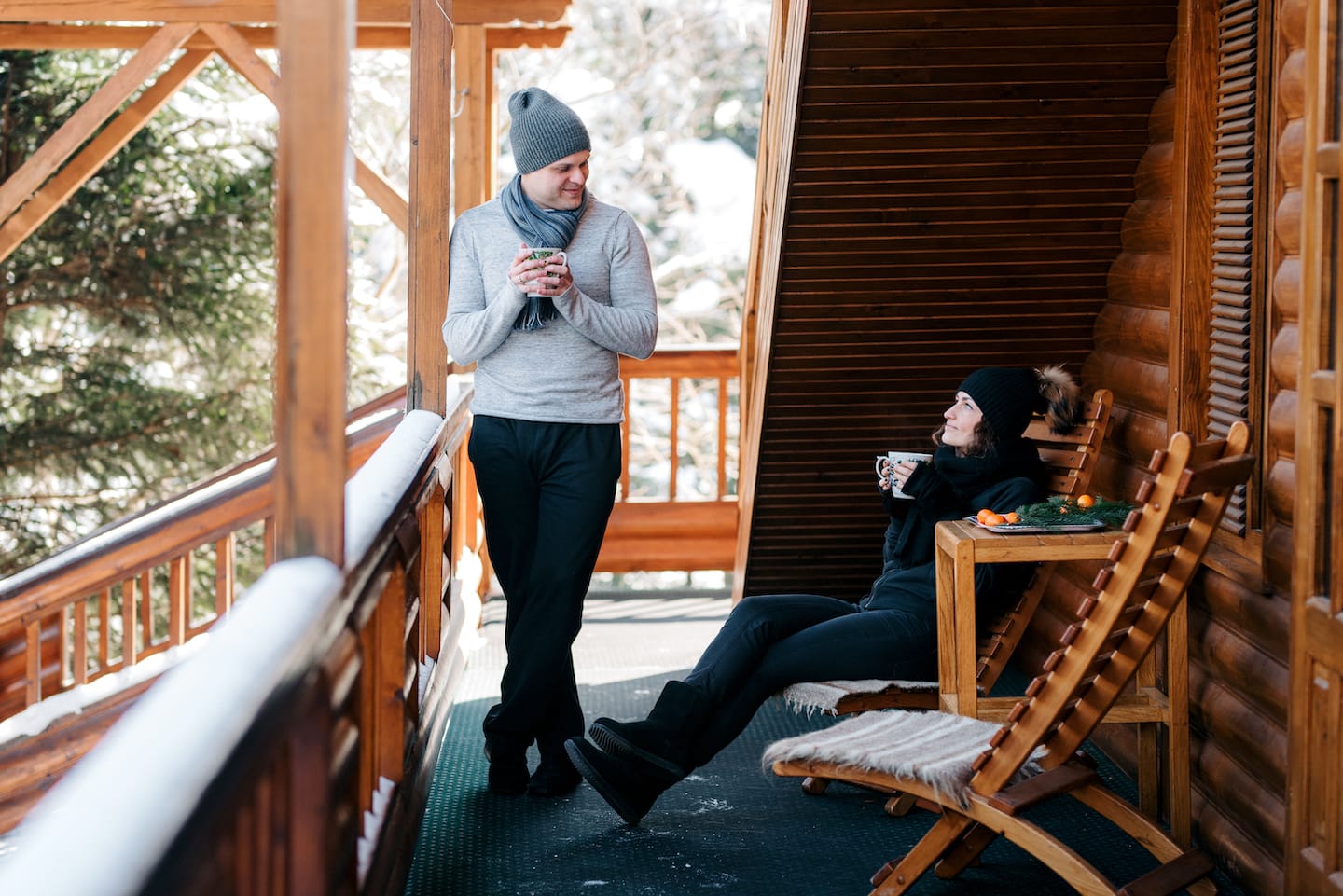
November to February – Winter & Snowfall
Winter transforms Kashmir completely.
Popular winter experiences include:
snowfall in Gulmarg
frozen landscapes
snow-covered valleys
winter photography
cozy mountain stays
Temperatures can drop significantly, especially during January.
Travelers visiting during winter should carry:
thermal wear
waterproof shoes
heavy jackets
gloves
Final Thoughts
Kashmir does not have a single “perfect season.” Every part of the year offers a different experience.
The best trips usually happen when travelers choose the season that matches the kind of atmosphere they actually want — snow, greenery, quietness, adventure, or slow relaxation.